Rust: how one solo builder survived a 200-player hunter event
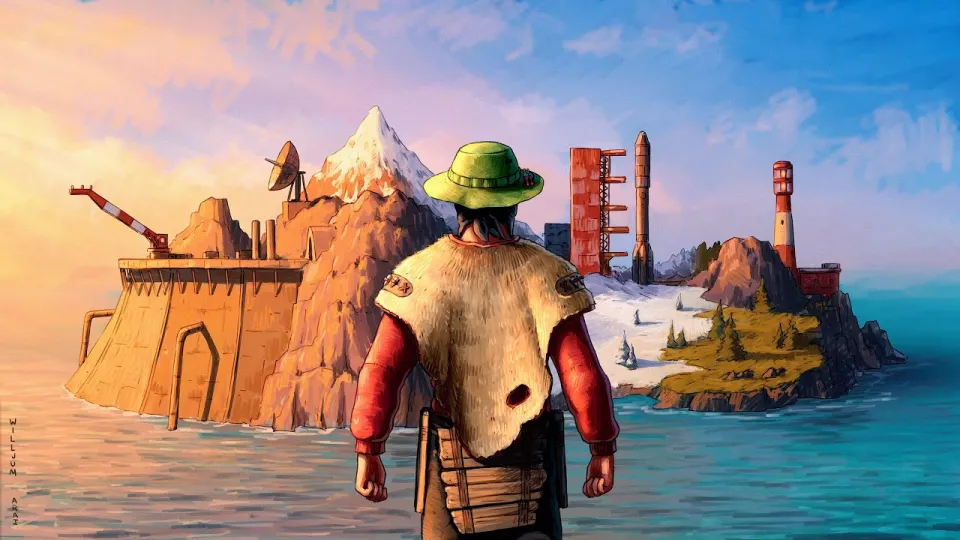
Video: When a Solo Rust builder Vs 200 Hunters...
You can order the same kind of articles for your own video to boost it on YouTube and Google. Just message the Telegram bot @sat_sit_bot. It writes articles around your video, embeds the video and publishes them on popular niche websites (no ads). Your first 50 articles are free.
· based on the channel Willjum
Key takeaways
- The challenge pits one solo builder against roughly 200 hunters on the same server, with no team to share the workload.
- Prep is the whole game: a compact, layered base and stocked upkeep matter more than size when hundreds of players are hunting you.
- Friendly players can flip the odds — supplies delivered by neutrals kept the run alive longer than pure combat could.
- The format proved popular enough that viewers pushed for duo, trio and 24-hour-prep versions of the same event.
- Solo Rust rewards information discipline: every visible light, door and smoke column is a beacon for a hunting party.
Rust is a survival game where one player can absolutely hold a base against a crowd — but only if the base, the prep and the politics are handled before the first raider shows up. In Willjum's solo-builder-versus-hunters challenge, a single builder faces a server full of players whose only job is to find and break him, and the run survives on layered defenses, quiet movement and a little help from strangers. The full run and the creator's other solo stories are supported through Willjum's Patreon, where viewers back the channel directly.
What the solo Rust builder challenge actually is
The format is simple on paper and brutal in practice: one player builds and defends alone while a large group of hunters — around 200 players in this event — roams the map looking for him. There is no clan, no shared cupboard and no teammate to watch the door while you farm. Every decision that a normal Rust wipe spreads across four or five people has to be made by one person, on the clock, while being actively hunted.
That inversion changes the whole game. In a standard wipe, a solo player's biggest enemy is time; here, time is also the hunters' weapon, because the longer a base stands, the more players know where it is. The builder's advantage is that he only has to protect one thing, while the hunters have to find it, break it and coordinate — and coordination is exactly what large ad-hoc groups are bad at.
Preparation is the real defense in Rust
Good prep beats good aim when the numbers are this lopsided, and the prep list for a hunted solo builder is short but unforgiving.
- Pick a location that is boring to look at. Dead ground away from roads, monuments and popular rock formations gets scouted less often than a scenic cliff.
- Build in layers, not in size. A small core with an airlock, a false entrance and a second loot room forces raiders to spend explosives twice.
- Stock upkeep and spares before you decorate. A base that decays during a siege is a free raid for the hunters.
- Keep a fallback stash. A sleeping bag, a box of tools and a spare kit somewhere far away turn a wipe into a setback.
- Control light and sound at night. A single furnace glow or a door slam is worth more to a hunting party than any scouting flight.
None of this is exotic knowledge — it is the standard solo Rust checklist. The difference is that in this format every item on it is tested within hours rather than days, and skipping one step is immediately punished.
Base design under constant pressure
A base that is meant to be found and hit has to be designed differently from a base meant to be hidden forever. Compact footprints with tight corridors slow down a group that outnumbers the defender, because numbers stop mattering in a doorway. Multiple small loot rooms spread the risk: a raider who blows through one wall and finds a half-empty box has to decide whether the next wall is worth the explosives.
Height and sightlines matter too. A shooting floor that overlooks the approach lets one player punish a group crossing open ground, and a small, cheap tower is easier to rebuild than a sprawling compound. The trade-off is visibility — anything tall is also a landmark — so the practical answer is a low, dense build with one elevated angle rather than a fortress that advertises itself across the map.
The other design rule is redundancy. Doors, cupboards and tool lockers should exist in more than one place, because a solo defender cannot be everywhere and a hunter group only needs one lucky breach.
Diplomacy and the players who are not hunting
Not everyone on a server is a hunter, and the run shows why solo players should treat strangers as assets rather than background noise. Players who are not part of the event can deliver gear, share information about roaming groups or simply not report a base they stumble across. A single friendly delivery of tools, gears or rope can extend a run by hours, because it removes the riskiest part of solo play: leaving the base to farm.
That cuts both ways. Trust is a resource with a price, and a solo builder who hands out coordinates to the wrong person has effectively invited the hunters in. The safe version of diplomacy is asymmetric: accept drops at neutral locations, trade in the open, and never let a new acquaintance see the inside of the base.
Why viewers want more of this Rust format
The reaction to the event was less "nice video" and more "run it again" — with specific requests attached. The most common asks were a duo version with a second creator, a rerun with a full 24 hours of preparation before the hunters are released, and a longer, uncut edit of the same run. There is also appetite for a multi-creator version where several builders each defend their own base on one island and the last one standing wins.
Those suggestions point at what makes the format work. It is legible: the goal is one base, one defender, a lot of attackers. It is asymmetric in a way Rust rarely is at solo scale. And it produces stories — a bear encounter turning into a full inventory of meat, a check over the shoulder on an empty server — that a normal wipe does not generate. A series with rotating parameters, different maps or paired creators is the obvious next step, and the audience has already written the brief.
Common questions about solo survival in Rust
Most doubts around this kind of challenge come down to feasibility. Can one player really outlast a crowd? Yes, for a while — the limit is usually upkeep and explosives, not skill. Does base size help? Rarely; layers and redundancy do more work than square meters. Is diplomacy worth the risk? Often, if it stays transactional and the base stays secret.
The rest is discipline. Solo Rust is a game of information: who knows where you live, what they know about your loot, and how long you can keep farming without being seen. A hunter event just compresses that timeline until every leak shows up immediately.
Useful links
- Willjum on Patreon — direct support for the channel and its solo-story videos.
- https://www.twitch.tv/willjum — live Rust sessions and event runs.
- https://twitter.com/willjum1 — announcements and schedule updates.
- http://creativecommons.org/licenses/by/4.0/ — license for the Creative Commons music used in the video.
The takeaway for solo players
A solo builder versus a few hundred hunters is an extreme version of the normal solo Rust problem: you cannot win by force, so you win by being expensive to find and annoying to raid. The run makes the priorities obvious — prep first, layers over size, upkeep before decoration, and a fallback stash for the day the door does come down. It also shows that other players are part of the defense, whether they are delivering gears or staying quiet about your base. The challenge comes from the Willjum channel, which built its audience on exactly this kind of solo story, and the run is the clearest argument yet that the format deserves a sequel. If you want more of it, the channel's Patreon page is the place to say so.
Questions & answers
Can a solo player really survive against hundreds of hunters in Rust?
For a while, yes. The defender only has to protect one base, while a large hunting group has to find it, coordinate a raid and keep spending explosives. Runs usually end through upkeep problems, a leaked location or a breach at the wrong moment rather than through a straight fight.
What should a solo builder prepare before an event like this?
A compact layered base with an airlock and a false entrance, stocked upkeep, a spare kit stashed far away, and enough materials that farming trips are rare. Light and sound discipline at night matters as much as the walls.
Is teaming with strangers worth the risk in solo Rust?
It can be, if it stays transactional. Accept deliveries at neutral spots, trade in the open and never let a new contact see inside the base — one leaked coordinate undoes hours of preparation.
Will there be a sequel or a duo version of the challenge?
Nothing is confirmed, but the audience response pushed hard for exactly that: a duo run with a second creator, a version with 24 hours of preparation, and a longer uncut edit of the original event.
Source: When a Solo Rust builder Vs 200 Hunters... · Markdown version